Introduction
Hip arthroscopy is a modern, minimally invasive hip surgery. It helps treat many causes of hip pain. Many people choose hip arthroscopy for hip pain treatment because it often leads to faster recovery. In this blog, you will learn what hip arthroscopy is, why it is done, how the procedure works, its benefits, risks, and what to expect during recovery.
What is Hip Arthroscopy?
Hip arthroscopy is a type of surgery that uses small cuts and a camera to look inside the hip joint. Doctors use special tools to fix problems without making large cuts. Because of this, hip arthroscopy is called a minimally invasive hip surgery. The camera, called an arthroscope, lets the doctor see inside the hip and treat issues like torn cartilage or bone spurs.
Indications: Why is Hip Arthroscopy Performed?
Doctors may suggest hip arthroscopy for several reasons. Often, it is used when other treatments, like medicine or physical therapy, do not help. Common reasons for hip arthroscopy include:
Sometimes, hip arthroscopy is also used to find out the cause of ongoing hip pain.
Procedure Overview: How is Hip Arthroscopy Done?
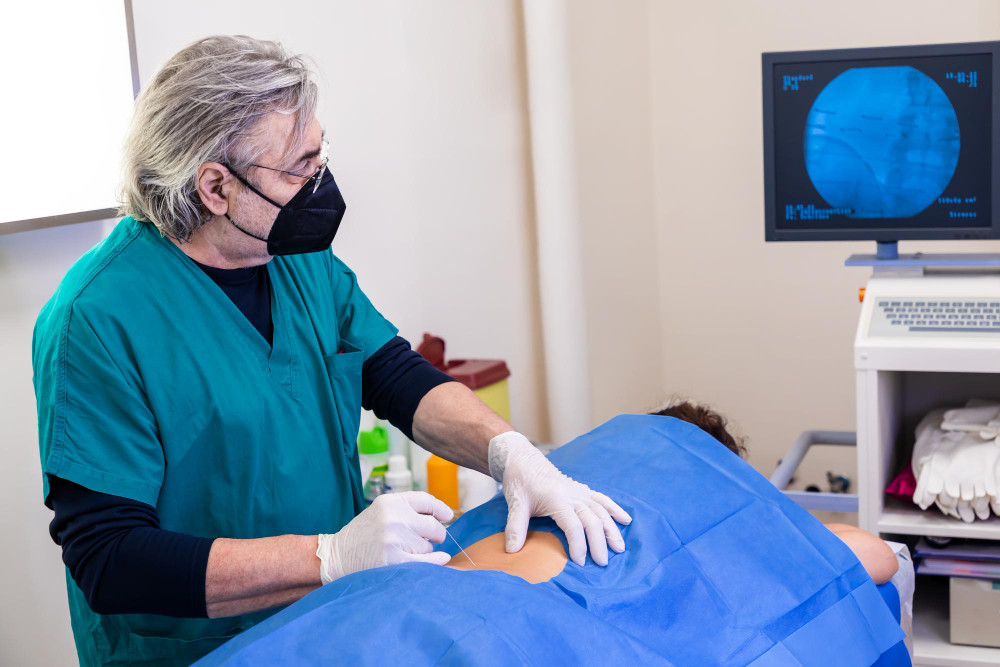
First, you will get anesthesia so you do not feel pain. Next, the surgeon makes two or three small cuts near your hip. Through one cut, the doctor puts in the arthroscope. This tiny camera shows pictures of your hip on a screen. Through the other cuts, the doctor uses small tools to fix the problem. For example, they may remove loose tissue, repair a tear, or smooth rough bone. The whole surgery usually takes one to two hours. After the procedure, you will go to a recovery room until you wake up fully.
Benefits of Hip Arthroscopy
Hip arthroscopy offers many benefits compared to open surgery. For example, it uses smaller cuts, which means less pain and faster healing. Other benefits include:
Because of these benefits, many people prefer minimally invasive hip surgery for hip pain treatment.
Risks and Complications
Although hip arthroscopy is safe for most people, every surgery has some risks. It is important to know these before deciding. Possible risks include:
However, most people recover well and do not have serious problems. Always talk to your doctor about your personal risk.
Recovery and Aftercare
After hip arthroscopy, you will need some time to heal. At first, you may use crutches to keep weight off your hip. Your doctor will give you instructions on caring for your cuts and managing pain. Physical therapy often starts soon after surgery. This helps you regain strength and movement. Most people return to light activities in a few weeks. However, full recovery may take several months. Following your doctor’s advice is key for a smooth recovery.
Prevention and Lifestyle Tips
While not all hip problems can be prevented, some steps may help keep your hips healthy. For example:
By taking care of your hips, you may lower your risk of needing hip surgery in the future.
Conclusion
In summary, hip arthroscopy is a safe and effective way to treat many hip problems. Because it is minimally invasive, recovery is often faster and easier than with open surgery. However, every surgery has risks, so it is important to discuss your options with a doctor. Consult an orthopedic specialist at Dr. Ahesan Shaikh’s Clinic to learn if hip arthroscopy is right for you.