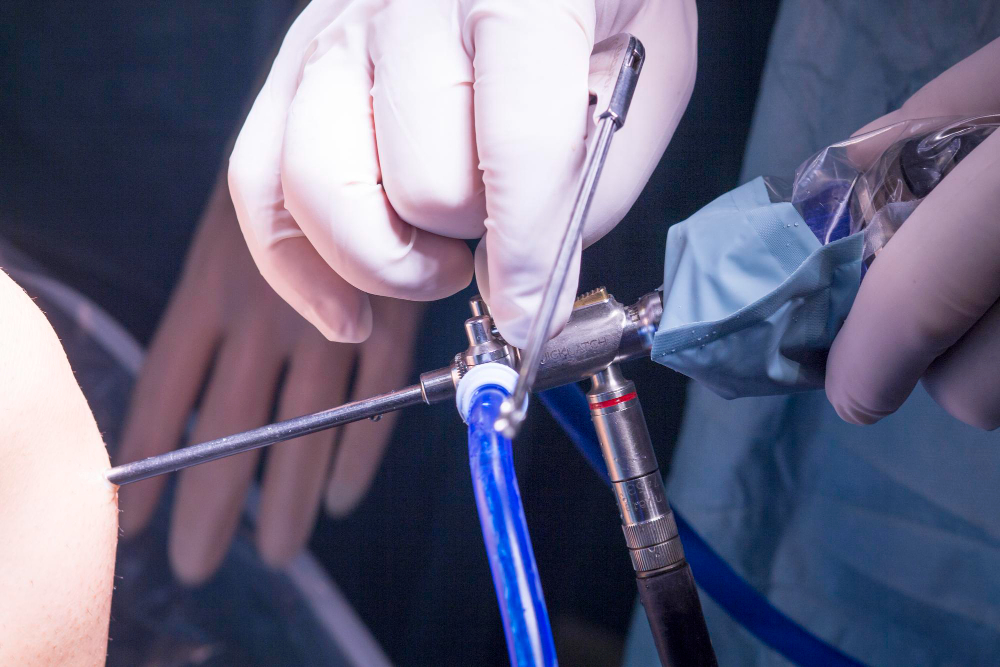
What Is Shoulder Arthroscopy?
Shoulder arthroscopy is a minimally invasive shoulder surgery. Doctors use a small camera, called an arthroscope, to look inside your shoulder joint. Because the cuts are small, healing is often faster than with open surgery. Many people choose shoulder arthroscopy for its quicker recovery and less pain.
Common Reasons for Shoulder Arthroscopy
Doctors may suggest this procedure for several shoulder problems. For example, shoulder arthroscopy can help with:
Because it is less invasive, many patients prefer this option for treating shoulder pain or injury.
Symptoms That May Lead to This Procedure
Often, people experience certain symptoms before needing shoulder arthroscopy. For instance, you may notice:
If these symptoms do not improve with rest or therapy, your doctor may suggest surgery.
How the Shoulder Arthroscopy Procedure Is Performed
First, you will receive anesthesia to keep you comfortable. Then, the surgeon makes small cuts around your shoulder. Through these cuts, the doctor inserts the arthroscope and tiny tools. Next, the surgeon looks at the joint on a screen and repairs any damage. After the repairs, the tools are removed, and the cuts are closed with stitches or small bandages. Usually, the whole procedure takes one to two hours.
Benefits and Risks of Shoulder Arthroscopy
There are many benefits to this minimally invasive shoulder surgery. For example, you may have:
However, as with any surgery, there are some risks. These may include:
Most people recover well, but it is important to follow your doctor’s advice.
Shoulder Arthroscopy Recovery Process and Timeline
After surgery, you may go home the same day. Your arm will likely be in a sling for a few days or weeks. Because recovery times vary, your doctor will give you a plan. Usually, you can start gentle exercises within a week. Full recovery may take several weeks to a few months. For some, shoulder arthroscopy recovery is faster than with open surgery.
Tips for a Smooth Recovery
To help your shoulder heal, try these tips:
With proper care, most people return to normal activities without problems.
Prevention of Shoulder Injuries
Although some injuries are hard to avoid, you can lower your risk. For example, you can:
Because prevention is key, these steps can help keep your shoulders healthy.
When to Consult an Orthopedic Surgeon
If you have ongoing shoulder pain, stiffness, or weakness, it is time to see a doctor. Especially if your symptoms do not improve with rest or therapy, an orthopedic specialist can help. Early treatment often leads to better results. For those considering shoulder arthroscopy in your area, a specialist can explain your options.
Conclusion
Shoulder arthroscopy is a safe and effective way to treat many shoulder problems. Because it is minimally invasive, recovery is often quicker. However, every case is unique. Consult Dr. Ahesan Shaikh to discuss if shoulder arthroscopy is right for you.