Introduction
Knee arthroscopy is a modern, minimally invasive knee surgery that brings big relief with tiny incisions. Many people choose knee arthroscopy for knee pain relief because it offers faster recovery and less discomfort. In fact, this advanced orthopedic surgery helps doctors see and treat knee problems without large cuts. If you have ongoing knee pain, you may wonder if this procedure is right for you. Let’s explore how knee arthroscopy works and why it is changing lives.
What is Knee Arthroscopy?
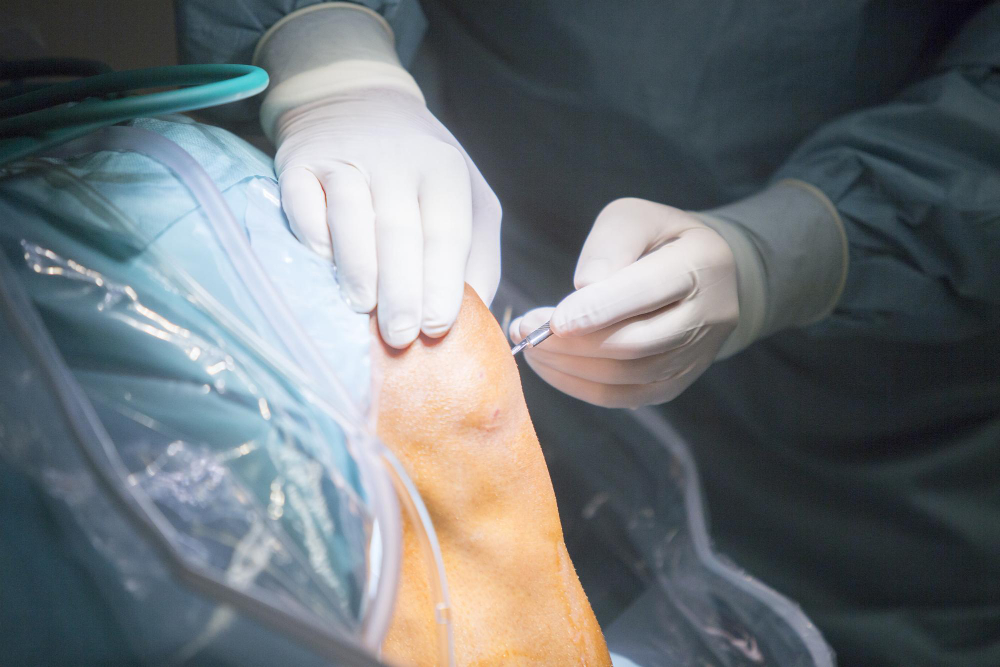
Knee arthroscopy is a type of surgery that uses a small camera to look inside your knee. Doctors make tiny cuts, called incisions, around the knee. Through these, they insert a thin tube with a camera, called an arthroscope. This tool lets doctors see the inside of your knee on a screen. Because the cuts are so small, you heal faster and feel less pain. Many people call this a “keyhole” or minimally invasive knee surgery.
How Does Knee Arthroscopy Work?
During the procedure, the doctor first cleans your knee and gives you anesthesia to keep you comfortable. Next, small incisions are made around the knee. Through one incision, the arthroscope goes in. Through others, special tools are used to fix or remove damaged tissue. For example, doctors may trim torn cartilage or repair ligaments. After the work is done, the tools are removed, and the cuts are closed with stitches or small strips. Because the incisions are tiny, you usually go home the same day.
Common Conditions Treated with Knee Arthroscopy
Knee arthroscopy can help with many knee problems. For instance, doctors often use it to treat:
Because it is less invasive, many people prefer this option for knee pain relief.
Benefits of Tiny Incisions
There are many reasons why tiny incisions make a big difference. First, smaller cuts mean less pain after surgery. Also, you are less likely to get an infection. In addition, you may have less scarring. Most people recover faster and return to daily activities sooner. Because of these benefits, knee arthroscopy is a popular choice for both patients and doctors.
What to Expect: Procedure and Recovery
Before surgery, your doctor will explain what will happen. You may need to stop eating or drinking a few hours before the procedure. On the day of surgery, you will receive anesthesia. The procedure usually takes less than an hour. Afterward, you rest in a recovery area. Most people go home the same day. At home, you may need to:
Physical therapy may help you regain strength and movement. Usually, people return to work or school within a few days to weeks, depending on the job and the type of repair done.
Risks and Considerations
Although knee arthroscopy is safe, every surgery has risks. For example, you might get an infection or have bleeding. Sometimes, the knee may feel stiff or swollen for a while. Rarely, blood clots can form. However, these problems are uncommon. Your doctor will discuss all risks with you before the procedure. If you have other health problems, let your doctor know. This helps them plan the safest care for you.
Tips for a Smooth Recovery
To heal well after knee arthroscopy, follow these tips:
Because everyone heals differently, always ask your doctor before trying new activities.
Prevention and Long-Term Knee Health
Even after a successful knee arthroscopy, it is important to protect your knees. For example, you can:
With good habits, you can keep your knees healthy for years to come.
Conclusion
Knee arthroscopy offers big relief with tiny incisions. Because it is a minimally invasive knee surgery, many people recover quickly and return to their normal lives. If you have knee pain that does not improve, this procedure may help. Consult Dr. Ahesan Shaikh to see if knee arthroscopy is right for you.