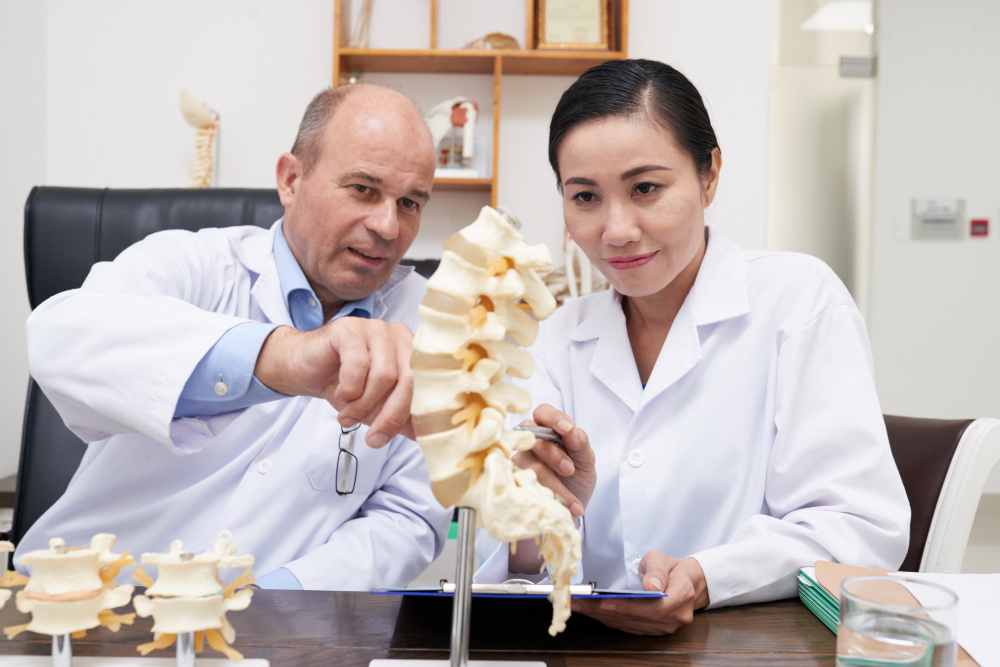
What is a Herniated Disc?
A herniated disc, also called a slipped disc or spinal disc herniation, happens when one of the soft discs between the bones in your spine pushes out. This can press on nearby nerves and cause pain. Many people with back pain wonder if a herniated disc is the cause. In fact, this is a common reason for back and neck pain in adults. The discs in your spine act like cushions. When one tears or bulges, it may lead to discomfort or numbness. According to the CDC, herniated discs are a leading cause of back pain.
Common Symptoms
Not everyone with a herniated disc has symptoms. However, many people notice signs such as:
Sometimes, the pain can be sharp or burning. But in other cases, it may feel like a dull ache. If you notice sudden loss of bladder or bowel control, seek medical help right away.
Causes and Risk Factors
There are several reasons why a herniated disc may develop. Most often, it is due to normal wear and tear as you age. This process is called disc degeneration. However, other factors can increase your risk, such as:
Even though anyone can get a herniated disc, it is more common in people aged 30 to 50.
Diagnosis Methods
Doctors use several methods to diagnose a herniated disc. First, they will ask about your symptoms and medical history. Next, they may do a physical exam to check your strength, reflexes, and feeling in your arms or legs. If needed, your doctor may order tests such as:
With these tools, your doctor can find out if a herniated disc is causing your pain.
Treatment Options
Most people with a herniated disc get better with simple treatments. In many cases, surgery is not needed. Common treatment options include:
However, if symptoms do not improve or if you have nerve problems, your doctor may suggest surgery. Orthopedic surgeons can remove the part of the disc that is pressing on nerves. For those seeking herniated disc treatment in your city, many clinics offer both non-surgical and surgical care.
Prevention Tips
While you cannot always prevent a herniated disc, you can lower your risk. Try these tips:
By making these changes, you can help protect your spine.
Lifestyle and Self-Care Guidance
Living with a herniated disc can be challenging. Yet, many people manage their symptoms with simple steps at home. For example, gentle stretching and walking can help keep your back flexible. In addition, using a firm mattress and good posture may reduce pain. If you work at a desk, adjust your chair and screen to support your back. Remember, staying active is better than bed rest for most people. However, always listen to your body and avoid activities that cause pain.
Conclusion
In summary, a herniated disc is a common cause of back and neck pain. With the right care, most people recover well. If you have ongoing pain or new symptoms, consult Dr. Ahesan Shaikh for personalized advice on herniated disc management.